Download Image
Introduction
Among all the flowers that adorn our planet, the rose stands as an eternal symbol of beauty, love, and emotion. Known as the “Queen of Flowers,” it has captivated human hearts for thousands of years. Its delicate petals, enchanting fragrance, and elegant form make it one of the most cherished blooms across the world. The history of the rose is as rich and colorful as the flower itself—intertwined with ancient civilisations, royal gardens, literature, art, and science. This essay explores the fascinating history of these, their botanical varieties, symbolic meanings, and their enduring presence in Human culture, medicine, and industry.
Historical Background
The history of this stretches back more than 35 million years, according to fossil evidence discovered in North America and Europe. These ancient species belonged to the genus Rosa, which eventually diversified into more than 300 species and tens Of lots of cultivated varieties. These are native primarily to temperate regions of the Northern Hemisphere — Asia, Europe, North America, and the Middle East.
In Ancient Civilizations
1. Ancient China – The earliest known cultivation of these dates back to over 5,000 years in China, where they were grown in imperial gardens. Chinese horticulturists were the first to crossbreed wild roses to create new colors and forms. These early experiments laid the groundwork for the hybridisation that later spread worldwide.
2. Ancient Persia (Iran) — Persia, often regarded as the “birthplace of the cultivated rose,” played a vital role in the flower’s history. The Persian rose (Rosa damascena) became famous for its intense fragrance and was used in the making of its water and perfume — traditions that continue to this day. The Persian poet Hafez and other mystics often used this as metaphors for divine love and spiritual awakening.
3. Ancient Egypt – Archaeologists have discovered its petals in Egyptian tombs, including that of Cleopatra, who was said to bathe in rose-infused water and decorate her chambers with these petals to seduce Julius Caesar and Mark Antony. These are symbolised beauty, luxury, and power in Egyptian society.
4. Ancient Greece and Rome – The Greeks associated the rose with Aphrodite, the goddess of love, while the Romans linked it with “Venus”. Romans cultivated these extensively in their gardens and used them for perfumes, garlands, and lavish banquets. During festivals, streets were strewn with these petals — a practice that symbolised wealth and sensual pleasure. However, as the Roman Empire expanded, the demand for these led to large-scale cultivation across the Mediterranean.
5. Middle Ages and Beyond – After the fall of the Roman Empire, these were continued to be cultivated in monasteries for medicinal purposes. Monks used the petals and hips (the fruit of this plant) to treat ailments ranging from headaches to heart conditions. The Crusaders later brought new varieties of these from the Middle East to Europe, enriching the continent’s botanical diversity.
The Rise in Europe
These are truly flourishing during the Renaissance period, when European gardeners and botanists began classifying and cultivating various species for their aesthetic qualities. By the 17th century, these became a major symbol of nobility and romance.
In England, these were deeply tied to politics and power. The Wars of the Roses (1455–1487) between the houses of Lancaster (symbolized by a red) and York (symbolized by a white) remain a famous chapter in British history. After the wars, the red and white roses were combined to form the Tudor Rose, a national emblem of England. By the 18th and 19th centuries, with the advent of global exploration and trade, its species from China, particularly the tea rose (Rosa chinensis), reached Europe. These Chinese roses had the unique ability to bloom repeatedly throughout the season — a trait not seen in European species. The introduction of these revolutionized its breeding, giving rise to countless new hybrids.
Table of Contents
The Development of Modern Roses
 Download Image
Modern its cultivation owes much to hybridization efforts of the **19th and 20th centuries**, which aimed to enhance fragrance, color, disease resistance, and longevity. This period saw the birth of several this classes that dominate gardens today.
1. Hybrid Tea Roses – First introduced in 1867 by French breeder Jean-Baptiste Guillot, hybrid tea roses combine the perpetual blooming nature of Chinese roses with the hardiness of European varieties. These are characterized by large, high-centred blooms and are the most popular choice for cut flowers and bouquets.
2. Floribunda – Created in the early 20th century, these are the result of crossing hybrid teas with polyantha roses. They produce clusters of blooms and are more robust and easier to grow, making them ideal for gardens and public parks.
3. Grandiflora – Developed as a cross between hybrid teas and floribundas, grandifloras bear large blooms in clusters. They combine elegance with vigor and are prized for their height and rich color range.
4. Climbing – These varieties produce long, arching canes that can be trained to climb walls, fences, and trellises. Popular climbing varieties include New Dawn and Don Juan.
5. Shrub and Landscape – Modern breeders developed hardy shrubs like the Knock Out series, known for their disease resistance, continuous blooms, and low maintenance requirements.
6. Miniature – These small but perfectly formed these are bred for containers and small spaces, offering all the beauty of full-sized roses in compact form.
7. Old Garden – These are traditional varieties that existed before 1867. They include Damask, Bourbon, Gallica, Alba, and Centifolia roses. Their old-world charm, rich fragrance, and historical significance make them favorites among collectors.
Varieties of Roses Around the World
Today, there are over 30,000 named varieties globally, each differing in form, color, and fragrance. Some of the maximum loved sorts include:
- Rosa damascena – Known as the “Damask Rose”, famous for its scent and used in rose oil and water production.
- Rosa centifolia – The Cabbage Rose or Provence, with dense petals and strong fragrance, used in French perfumery.
- Rosa gallica officinalis – Also called the Apothecary’s Rose, once cultivated for medicinal and symbolic use.
- Rosa rugosa – Native to East Asia, known for its tough nature and beautiful wrinkled leaves.
- Rosa banksiae – The *Lady Banks’ Rose*, a thornless climbing rose native to China, with delicate yellow or white blossoms.
These come in nearly every color except true blue and black — though breeders have developed deep purples and very dark reds that mimic these hues. The colors of these carry distinct symbolic meanings:
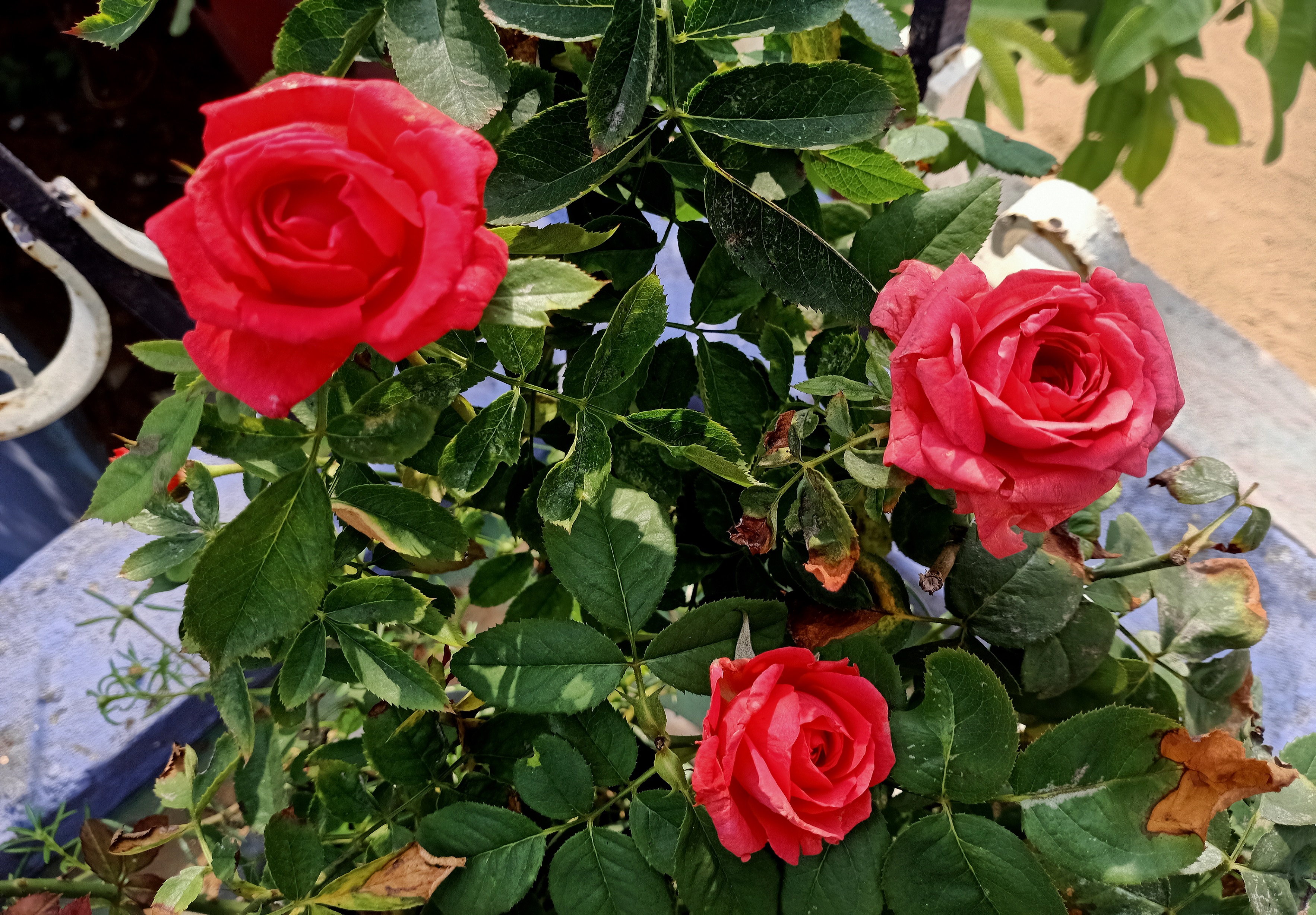
- Red – Love, passion, and respect
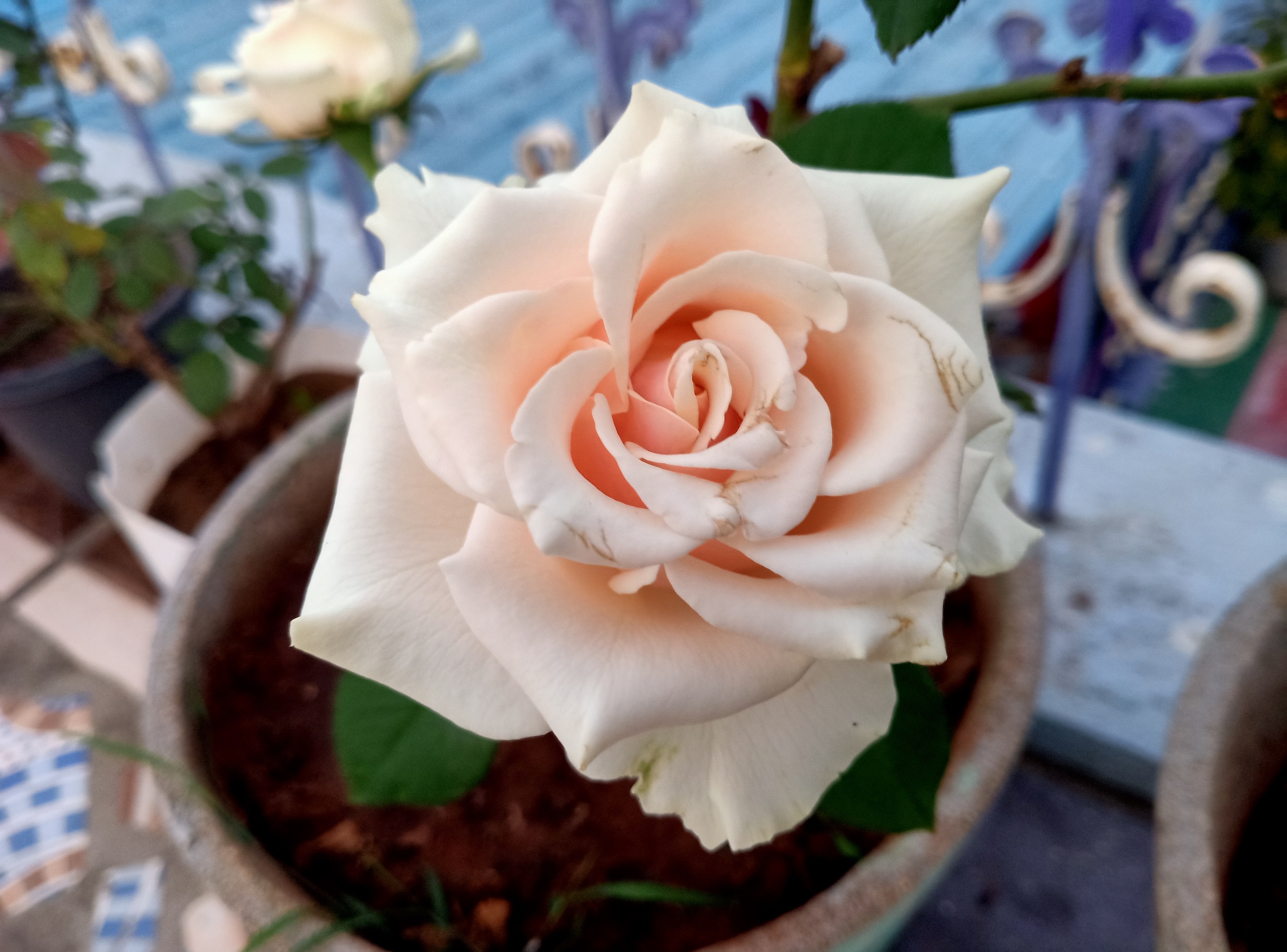
- White – Purity, innocence, and remembrance
- Yellow – Friendship, joy, and warmth
- Pink – Grace, admiration, and sweetness
- Orange – Desire, enthusiasm, and fascination
- Lavender – Enchantment and love at first sight
 Download Image
In Art, Literature, and Symbolism
Throughout history, roses have inspired poets, painters, and philosophers alike. In literature, these are symbolize love, beauty, secrecy, and the transience of life. The Latin phrase “sub rosa” refers to confidentiality — originating from ancient Roman times when it was hung above meeting tables to signify that everything spoken was to remain secret.
In Shakespeare’s works, these appear frequently, representing both beauty and fragility. In Romeo and Juliet, Juliet declares, “That which we call a rose by any other name would smell as sweet,” signifying that love transcends names and appearances.
Artists such as Pierre-Joseph Redouté, often called the “Raphael of Flowers,” immortalized roses in his exquisite botanical illustrations, while modern photographers and designers continue to use this as symbols of elegance and romance.
Religiously, these hold sacred significance in both Christianity and Islam. In Christian symbolism, the red rose represents the blood of Christ and martyrdom, while the white rose symbolizes the Virgin Mary’s purity. In Islamic culture, this is a symbol of divine beauty and love, often associated with the Prophet Muhammad.
Medicinal Uses
Beyond their beauty, these have numerous practical applications. For centuries, different parts of this plant — petals, hips, and oils — have been used for medicinal and cosmetic purposes.
1. Rose Oil and water – Extracted mainly from Rosa damascena and Rosa centifolia, rose oil is a key ingredient in high-end perfumes and skincare. Its water is used for facial toning, hydration, and soothing irritated skin.
2. Rose Hips – The fruit of this plant, rich in vitamin C, antioxidants, and flavonoids, is used to boost immunity and treat colds, inflammation, and digestive issues.
3. Aromatherapy – The fragrance of this is known to reduce stress, promote relaxation, and uplift mood. Its essential oil is a common component in aromatherapy for its calming properties.
4. Traditional Medicine – In ancient Persia, India, and China, its extracts were used to treat wounds, heart conditions, and respiratory ailments. Its petals were also steeped in tea to improve digestion and mood.
In Modern Industry
The global rose industry is vast, encompassing ornamental horticulture, perfumery, cosmetics, and even food. Countries . The Valley of these in Bulgaria remains one of the largest producers of its essence, vital to luxury perfume brands.
In the floral trade, these are dominate the global market, especially during holidays such as Valentine’s Day, Mother’s Day, and weddings. In Kenya, Ecuador, and India, this cultivation supports thousands of livelihoods and contributes significantly to export revenues.
These are also used in culinary creations — rose-flavoured syrups, jams, teas, and desserts add a touch of elegance to cuisine in Middle Eastern and South Asian cultures.
Symbolism in Different Cultures
The symbolic meaning of varies across cultures:
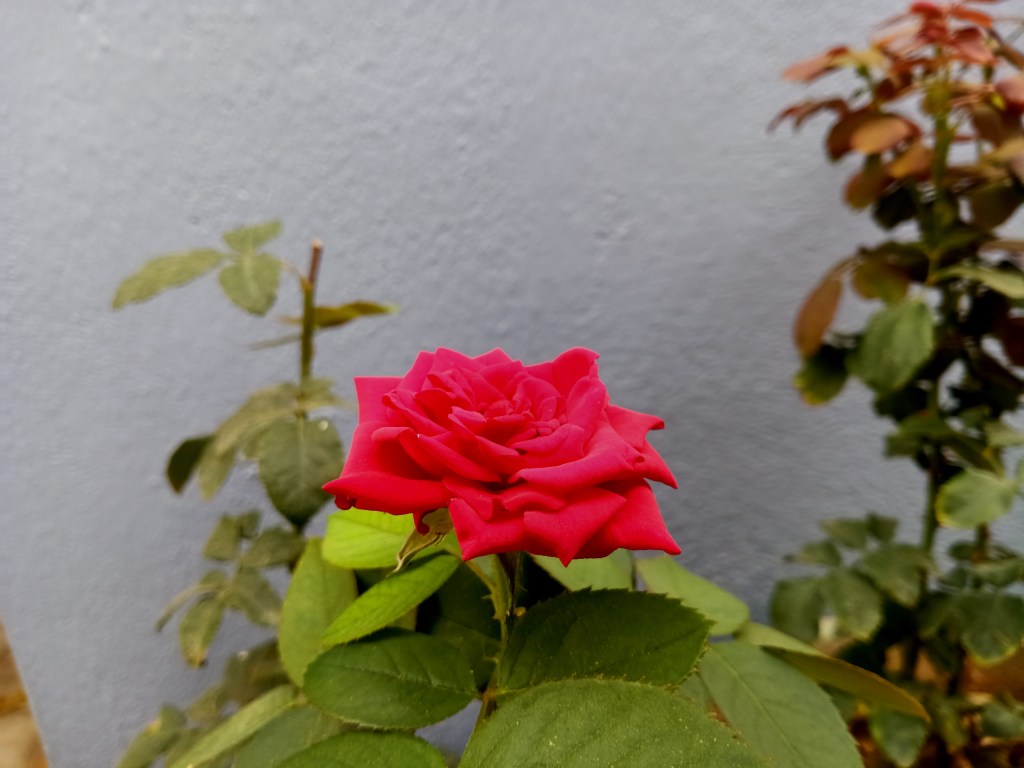
- In Western culture, these are primarily linked to romance and beauty. A single red rose is an iconic expression of love.
- In Indian culture, these are offerings to gods and symbols of purity and devotion. The Mughal Emperor Babur mentioned these in his memoirs, and Emperor Shah Jahan used them in royal gardens.
- In Persian poetry, the rose and the nightingale represent the eternal dance between love and longing.
- In Japan, these are symbolize life and happiness, though native traditions often highlight other flowers like cherry blossoms.
- In Victorian England, these were used in the “language of flowers” (floriography) to send coded messages of affection, friendship, or apology.
Conservation and Genetic Research
With rapid urbanization and climate change, many wild rose species face the threat of extinction. Botanical gardens and genetic conservation programs worldwide are preserving these species to protect biodiversity and enable future breeding.
Modern science has also decoded the rose genome, enabling researchers to enhance fragrance, disease resistance, and color variations thru selective breeding and biotechnology. Sustainable cultivation methods, including organic farming and drip irrigation, are being adopted to minimize environmental impact.
Conclusion
The rose, through its long and illustrious history, continues to reign as the most beloved of all flowers. From the ancient gardens of Persia and China to modern bouquets and perfume bottles, these have symbolized beauty, love, and resilience. They connect generations, cultures, and emotions through their timeless charm.
As science deepens our understanding and art keeps celebrating its form, the rose remains not just a flower but a universal emblem of the human spirit — delicate yet enduring, fragrant yet powerful. Whether adorning royal gardens, healing through rose oil, or expressing unspoken feelings in a simple bouquet, the rose’s legacy endures as one of nature’s greatest gifts to humankind.