Download Image
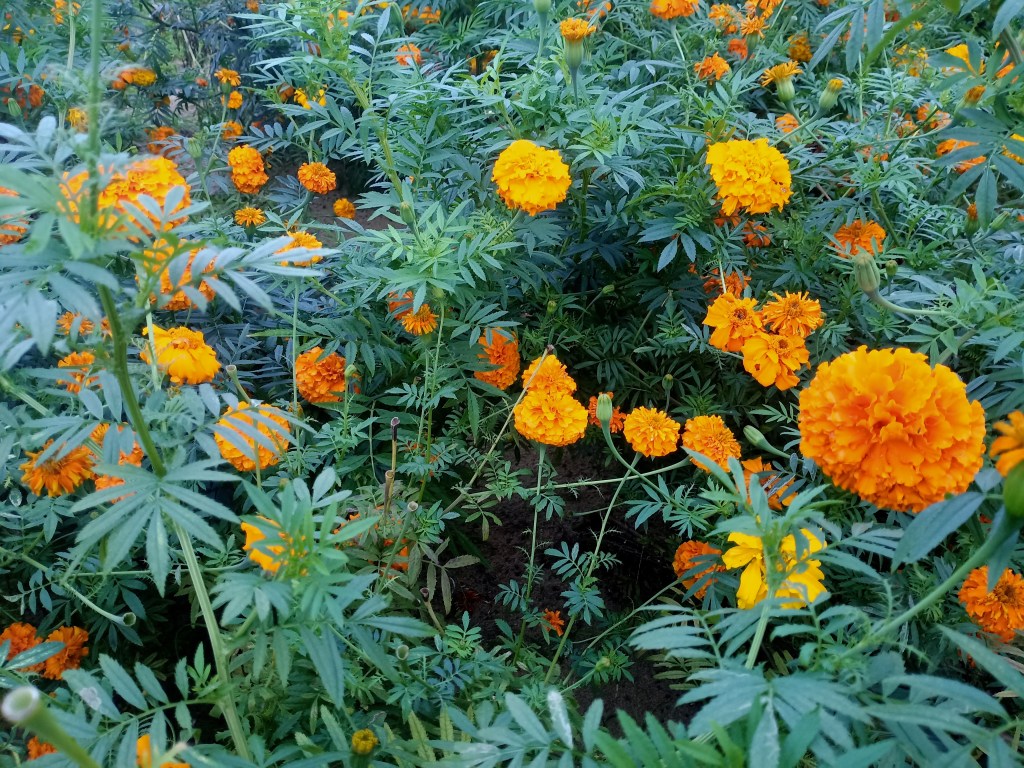
The marigold plant is utilized extensively in gardens, ceremonies, and agriculture all over the world because of its brilliant colors and cultural importance. Marigolds, which belong to the sunflower family (Asteraceae) and the genus Tagetes, are found in the Americas, notably in Mexico and Central America. They spread over Asia, Africa, and Europe over the centuries, playing a significant role in medicinal applications, decorative arts, and cultural traditions. People value these flowers today for both their beauty and their contribution to sustainable agriculture.
Previous History
The ancient Mexican civilizations were the first to grow marigolds. The Aztecs thought the flower was sacred and possessed medicinal and mystical powers; therefore, they used it in their religious rituals. These were introduced to Europe by Spanish explorers in the 16th century, and they soon became popular as decorative flowers. They were brought to India and other regions of Asia from Europe, where they gradually integrated into the native cultural and religious traditions.
The Aztecs began farming the plant, which is indigenous to Mexico and Central America, as early as 1500 AD. Spanish explorers introduced marigold seeds to Europe during the 16th century. Due to its golden blossoms and simplicity of cultivation, the flower quickly became famous in the region. Because marigolds were frequently used in Christian religious rituals, they were given their name in honour of the Virgin Mary.
India’s Symbolism
These flowers are frequently used in weddings, temples, and festivals because they represent purity, devotion, and wealth in India. They are frequently used in rangolis, offered during pujas, or strung together to make garlands. Because of their bright golden and orange colors that symbolize joy and optimism, marigolds are occasionally known as the flowers of the sun.
They are crucial to holidays such as Diwali, Navratri, Ganesh Chaturthi, and Durga Puja. Marigold garlands are used to decorate homes, entrances, and mandaps during weddings.
Marigolds come in a variety of forms
Worldwide, there are two primary categories of these flowers that are grown:
1. African Marigold (Tagetes erecta): Tall plants with large, round flowers in hues of yellow and orange.
2. French marigold (Tagetes patula): lower, bushier plants with thick blooms in a variety of hues, including red, orange, and yellow.
Both types are grown for their agronomic benefits, aesthetic value, and cultural significance.
Methods of Cultivation
Due to their hardiness, marigolds may be cultivated in a wide variety of environments. They may be used in big business farming as well as little home gardens.
1. Soil and Climate
Marigolds flourish in warm, bright environments. Although they can grow in a wide range of soils, blooming is best in fertile loamy soil that is well-tilled and rich in natural matter. They flourish at temperatures between 18°C and 30°C. The ideal soil pH is between 6.0 and 7.5. They are grown year-round in India, mostly in the summer and winter.
2. Distribution
Seeds are frequently used to grow marigolds. Three to four weeks later, the seeds are transplanted into the field after being planted in nursery beds Or without delay into the soil. They sprout in 5–7 days.
3. Planting and Spacing
For the greatest possible air circulation and healthy development, sufficient space is required. African marigolds need 40–45 cm of room, while French marigolds only need 25–30 cm because of their smaller size.
4. Watering and Maintenance
Regular watering is important, but be careful not to overwater because it could lead to root rot. Marigolds are a great choice for novice gardeners since they are hardy and require little maintenance.
5. fertilizers and manure
Organic compost or farmyard manure enhances the soil. When used in a balanced way, potassium, phosphorus, and nitrogen fertilizers promote profuse blooming and lush green development.
6. Resistance to illnesses and pests
These flowers have the incredible ability to deter nematodes and insects from entering the soil because of the organic substances in their roots. They are frequently produced with tomatoes, peppers, cucumbers, and other vegetables as a method of organic pest management.
7. Collecting the Harvest
- Outside of its ornamental value, this plant has a variety of uses. This plant has many benefits.
- Cultural and nonsecular value
- Often used in Buddhist, Christian, and Hindu ceremonies
- Diwali, Durga Puja, Ganesh Chaturthi, weddings, and other events are essential.
- Used for making gifts, temple decorations, and garlands
- Ornamental Use: Frequently cultivated in gardens, parks, and landscapes for its aesthetic value.
- Religious and Cultural Significance: It is necessary for Indian festivals like Diwali, Durga Puja, and Ganesh Chaturthi.
- Medicinal Benefits: Marigold extracts are used in traditional medicine to treat skin ailments and inflammation.
- Benefits for Agriculture: When used in crop rotation, it acts as a natural pest repellent and enhances soil quality.
- Widely grown for cut flowers, wreaths, and the extraction of natural dye (carotenoids), which is utilised in textiles and food coloring, its commercial worth is high.
Two to three months after planting, the flowers are ready for harvest. It’s ideal to choose them for the best color and longevity when they’re completely open. Regular harvesting encourages fresh blooms and lengthens the flowering season.
Table of Contents
Advantages and Applications
The Monetary Worth
Extensively grown for commercial use.
Farmers earn a good livelihood during festival seasons when demand is high.
Among the items exported are processed goods such as paints and extracts, as well as wreaths and cut flowers.
Marigold’s Function in Skin Care and Beauty. Not only is this flower aesthetically and culturally important, but it is also highly valued in the Cosmetics and pores and skin care industries. Scientifically known as Tagetes, marigolds are closely related to calendula (Calendula officinalis) and have all-natural ingredients that nourish, cure, and shield the skin. It is often used in cosmetics, homemade beauty remedies, and herbal therapy due to the extracts taken from its leaves, petals, and essential oils.
1. Naturally occurring substances with therapeutic benefits for the skin
Due to its high content of flavonoids, carotenoids, and essential oils, marigold possesses antibacterial, antifungal, and anti-inflammatory properties. These features make it extremely helpful in treating:
providing care for minor wounds, burns, and cuts
Treating sunburns
- Lowering rashes and skin irritation
- Marigold extract is a main component of numerous herbal lotions and balms that speed up skin repair.
2. Advantages of Anti-Aging
The petals of marigolds include lutein and antioxidants, which shield the skin from harm caused by free radicals. These antioxidants are beneficial in:
Reducing early ageing
- Lessening the look of wrinkles and fine lines
- protecting the skin from the sun’s damaging ultraviolet radiation
- Regular application of creams or oils containing this flower helps maintain the skin’s smoothness, youthfulness, and brightness.
3. Treatment for pimples and acne
- Marigolds are helpful in treating acne-prone skin because of their antibacterial properties.
- It lessens the proliferation of bacteria that cause acne.
- Redness and swelling are lessened by its anti-inflammatory qualities.
- Use marigold face masks or toners to keep your skin clear and fresh.
4. Achieving glowing, radiant skin
The carotenoids found in these flowers help to lighten drab complexions naturally.
Water or extracts infused with marigolds can be used as a natural toner.
These flower petals can be used to create homemade face packs that give the skin a bright, glowing look.
5. Hydration and Moisture Retention
- Due to its capacity to thoroughly moisturize the skin, marigold extract is often used in oils, creams, and lotions. People with dry or sensitive skin will find it particularly beneficial.
- Aids in preserving pores and skin moisture.
- Prevents the skin from drying out, peeling, and cracking.
- Maintains the skin’s softness and smoothness.
6. Treating Skin Conditions
Marigold is frequently suggested in natural medicine for treating many epidermis issues, such as:
- eczema
- dermatitis
- Psoriasis
- Infections attributable to fungi
- It can be used safely for long periods of time because of its calming and healing effects.
7. Work in the cosmetics industry
Cosmetics made from marigold oils and extracts include, for example:
moisturizers and face creams.
- frame wash and soap
- Lip Balms
- Herbal face pack and mask.
- essential oil aromatherapy
- Due to its natural aroma and therapeutic properties, it is popular in herbal skincare preparations.
The Use of Marigolds in DIY Beauty
1. Marigold Face Pack for Glow—The skin receives a radiant look from a mixture of yogurt, honey, and crushed marigold petals.
2. Marigold Toner—Make use of it as a natural skin toner after boiling the petals in Water and letting it cool.
3. Marigold Oil—Infuse marigold petals in coconut or olive oil to make a calming massage oil.
Final Touches
The marigold is much more than just a garden flower. Its widespread appeal is demonstrated by its path from ancient Aztec civilizations to today’s temples and gardens. In addition to their beauty, marigolds are a natural treasure for cosmetics and skincare. Because of its medicinal, anti-ageing, antibacterial, and hydrating properties, it has become a required component in homemade remedies and herbal cosmetics. Marigold really plays a crucial role in beauty care, from treating acne to maintaining the skin’s youthfulness and radiance.